A Cookbook Rooted in Two Traditions
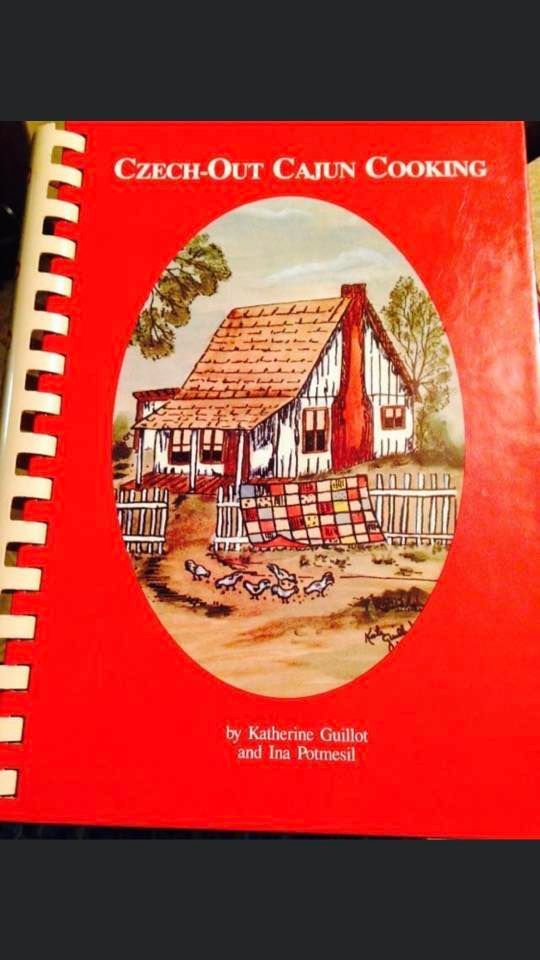
Czech-Out Cajun Cooking blends Cajun and Czech family recipes from Avoyelles Parish, Louisiana, and is available through Ma's Cajun Meat Pies in Natchez.
This cookbook was co-authored by Ina Potmesil and Katherine Guillot and brings together two culinary traditions that shaped their families in Avoyelles Parish. You will find Cajun dishes like gumbo, boudin, and meat pies alongside Czech specialties that reflect the immigrant roots of the region. The recipes come from handwritten family notes, church cookbooks, and kitchen tables where both languages were spoken and both food cultures were honored. If you grew up in Natchez or nearby areas, you may recognize some of the dishes or cooking methods used in these pages.
The book includes a historical section with recipes dating back to 1879, preserving cooking techniques and ingredient combinations that would otherwise be lost. There is also a glossary that explains Cajun and Czech culinary terms, which helps readers understand unfamiliar ingredients or preparation steps. Czech-Out Cajun Cooking was originally published in the late 1980s to early 1990s and has been available in spiral-bound and hardcover formats. Some copies were signed by the authors, making them collectible for those interested in Louisiana food history.
If you want to learn more about the cookbook or check current availability, get in touch and I will provide details.
What You Will Find Inside the Book
The cookbook is organized to move between Cajun and Czech sections, with each recipe including ingredient lists, step-by-step instructions, and occasional notes on family history or regional variations. You will see traditional Cajun dishes that use the Holy Trinity of onion, bell pepper, and celery, as well as Czech recipes that rely on sauerkraut, dumplings, and slow-cooked meats. Some recipes appear in both languages or include side notes explaining how one culture influenced the other in Natchez and surrounding parishes.
After using the cookbook, you will notice that the recipes produce consistent results because they were tested in home kitchens over multiple generations. The historical section includes handwritten recipe cards and transcriptions from the 1800s, showing how ingredient availability and cooking tools shaped what families made. You will also find dishes that are not commonly published elsewhere, which makes this cookbook a useful reference for anyone researching Louisiana foodways or trying to recreate family meals from memory.
The glossary at the back defines terms like roux, kolache, and cracklins, and it explains differences in preparation methods between the two cultures. Recipes include both modern measurements and older volume descriptions, so you may need to adjust based on your cookware. The book does not include photographs of finished dishes, but the instructions are detailed enough to guide you through unfamiliar techniques. Because it was published decades ago, some ingredient brands or cuts of meat may no longer be available under the same names, but substitutions are usually straightforward.
What People Often Ask About the Cookbook
Customers interested in Czech-Out Cajun Cooking usually want to know about availability, condition, and whether the recipes are easy to follow. Here are the most common questions.
Czech-Out Cajun Cooking serves as both a family record and a working cookbook, with recipes that connect two immigrant traditions in one Louisiana parish. If you want to know more about the book or check on availability, contact me and I will provide the information you need.